 History and Overview
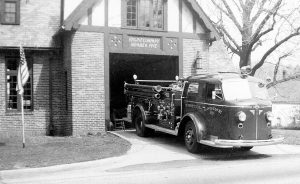
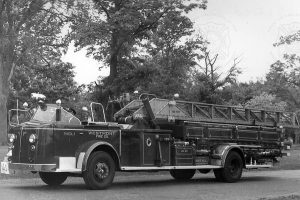
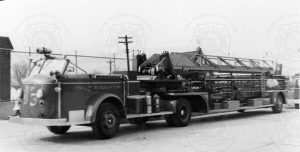
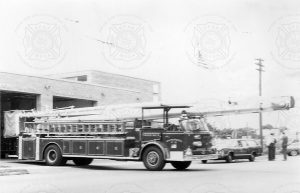
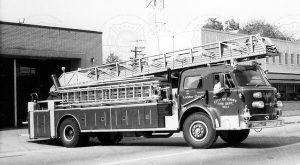
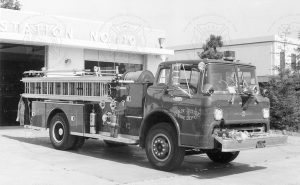
American-LaFrance may be the greatest name in the history of fire apparatus. No firm has had more influence on the design of modern fire apparatus than American-LaFrance.
The story of American-LaFrance goes back to the 1832, when John F. Rogers began building hand-tub fire engines in Waterford, New York. In 1834 Lysander Button purchased Rogers’ business and eventually Button merged into the American Fire Engine Company in 1891. In 1900 the American Fire Engine Company and the LaFrance Fire Engine Company both became part of the International Fire Engine Company. When the International Fire Engine Company went bankrupt in 1903, the American-LaFrance Fire Engine Company, Ltd., of Elmira, New York, emerged in as its corporate successor.
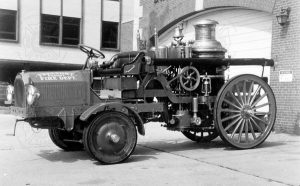
After a few years of experimentation, American-LaFrance started production of motor fire apparatus in 1910. In the teens, American-LaFrance quickly developed a full product line that included pumpers, ladder trucks and a variety of specialized apparatus.
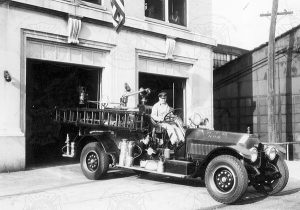
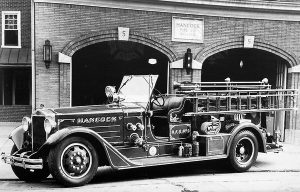
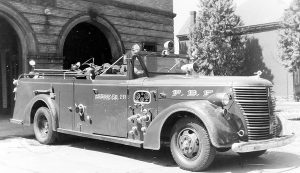
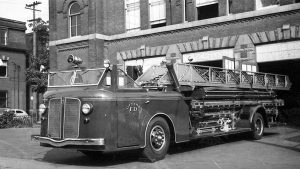
After World War Two, American-LaFrance introduced its most iconic product, the 700 Series. The 700 Series featured a true cab-forward design with a pleasant curved face. The cab-forward design had significantly better visibility and better maneuverability than conventional engine-ahead designs. Over the next decade, other companies followed the lead of American-LaFrance and started to build their own cab-forward apparatus. In 1955, American-LaFrance dropped the hyphen from the corporate name.
In 1985 the company left New York and production was moved to Virginia. The company operated under a few different corporate owners over the next three decades. During this time sales and market share steadily declined until 2014, when the company filed for bankruptcy and went out of business